Article summary
The EU signs a free trade deal with Indonesia as China dominates refining
The European Union signed a free trade pact with Jakarta on 21 November, but according to the author China already controls about 75% of Indonesian refining.
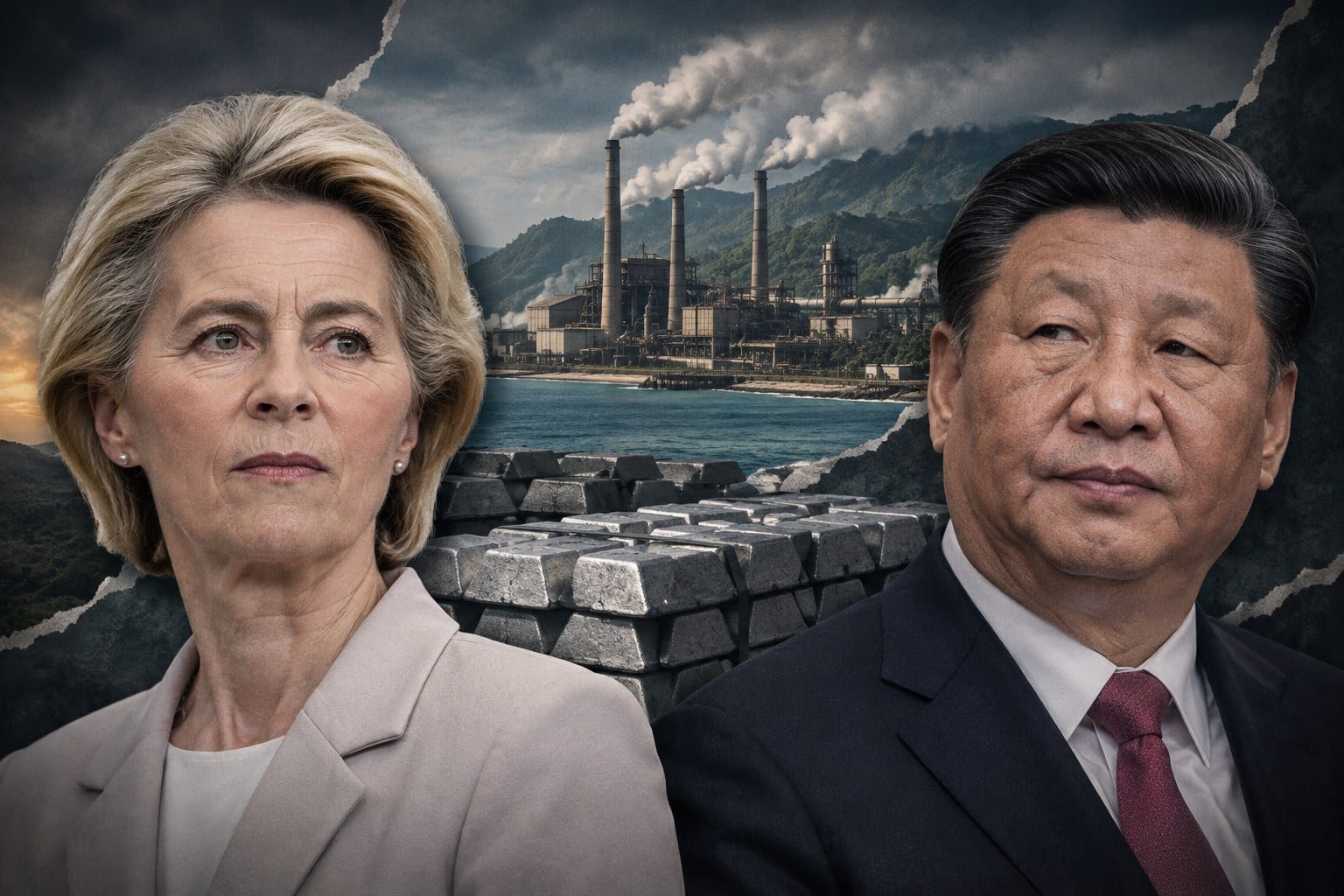
The European Union signed a trade pact with Jakarta on Saturday 21 November, a decade after talks were launched in 2016. Tariffs on almost all European products will disappear within five years, including those on automobiles, whose rate now reaches 50%. The target market has more than 280 million people.
According to the author, Brussels signs at a time when industry has already made its choice elsewhere. Jakarta, the world's top nickel reserve, supplied two tonnes out of three in 2025, and banned exports of the raw ore so that processing would take place locally. Beijing moved earlier: Tsingshan joined forces in 2013 with a local partner, and that site opened two years later. In 2019, the Union took the case to the WTO, which it won at first instance in 2022, before Jakarta appealed.
On refining, Beijing controls about 75% of the sector in Indonesia, and Eramet, present at Weda Bay, relies on Tsingshan, which holds a majority there. A refinery project with BASF was abandoned in 2024. On palm oil, a dispute persists despite a protocol added to the agreement. For the author, Brussels bet on the rule, where rivals bet on capital and time.
Read the full article on geopolitique-profonde.com (in French)