Article summary
Chips: The Hague contests the US method of export controls
According to the text, a US draft would give the Netherlands and Japan 150 days to align with Washington, and The Hague rejects the method, not the principle.
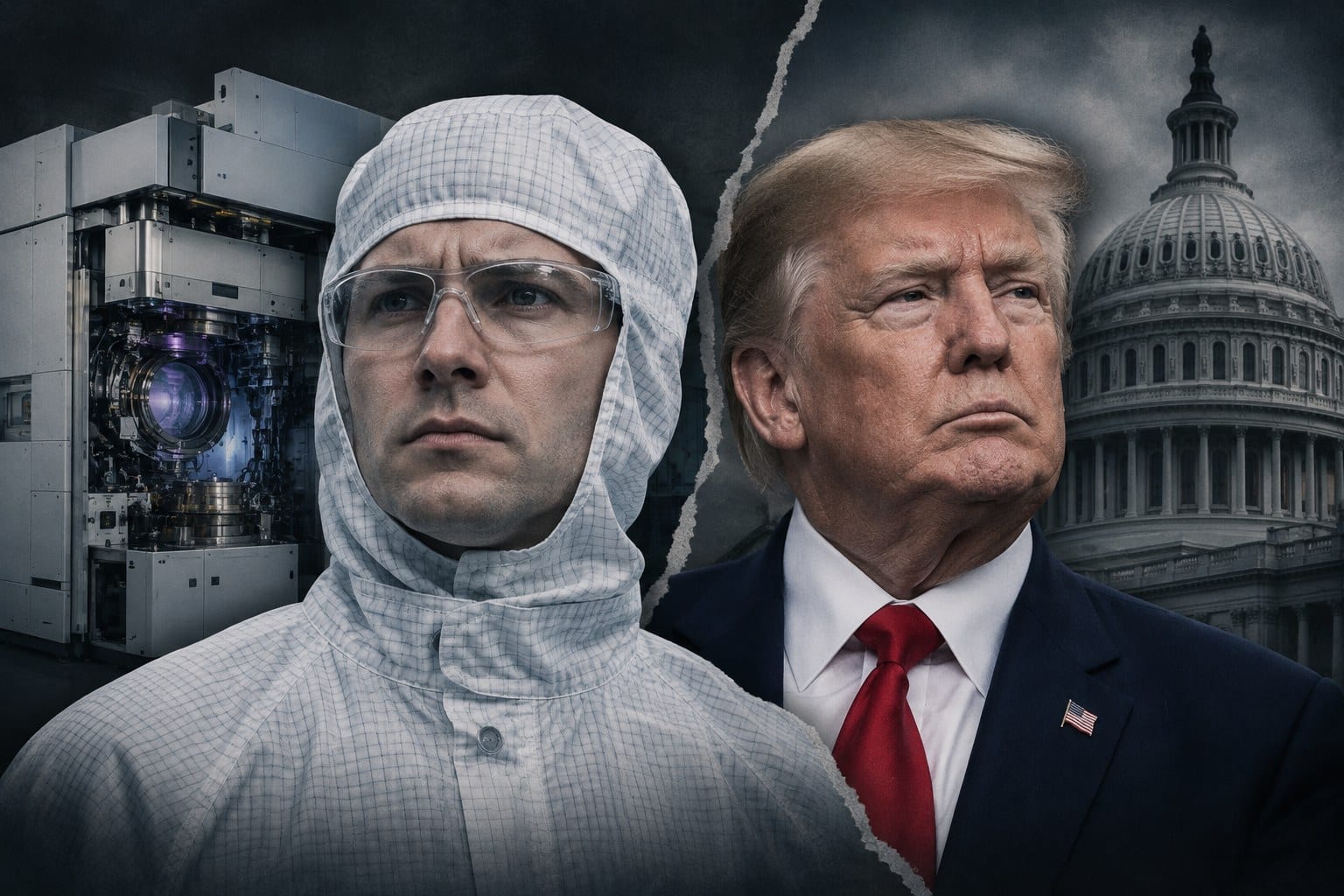
The MATCH Act first concerns authority, deciding who sets the sales of a Dutch firm and to which buyers. The Netherlands and Japan, named first, would have 150 days to align with Washington or show that they are working toward that. If not, the Commerce Department would on its own extend US controls to equipment from these countries.
According to the text, The Hague accepts the principle of restrictions itself, and its criticism is about the method. Since 2023, ASML's DUV machines have been subject to Dutch controls, and its EUV devices have never gone to China. The Foreign Ministry considers extraterritorial measures unacceptable between partners and recalls that each country is responsible for its own national security.
The text also notes an industrial interest: ASML, valued at 500 billion euros, drew about one third of its revenue from China last year, and its chief financial officer says that limiting sales would speed up the rise of Chinese competitors. The text also describes a Congress that wants to reduce the executive's leeway, while the executive defends its own, which makes allies an adjustment variable.
Read the full article on geopolitique-profonde.com (in French)
