Article summary
Blockade and Strait of Hormuz closed: the Iran conflict is playing out through economic attrition
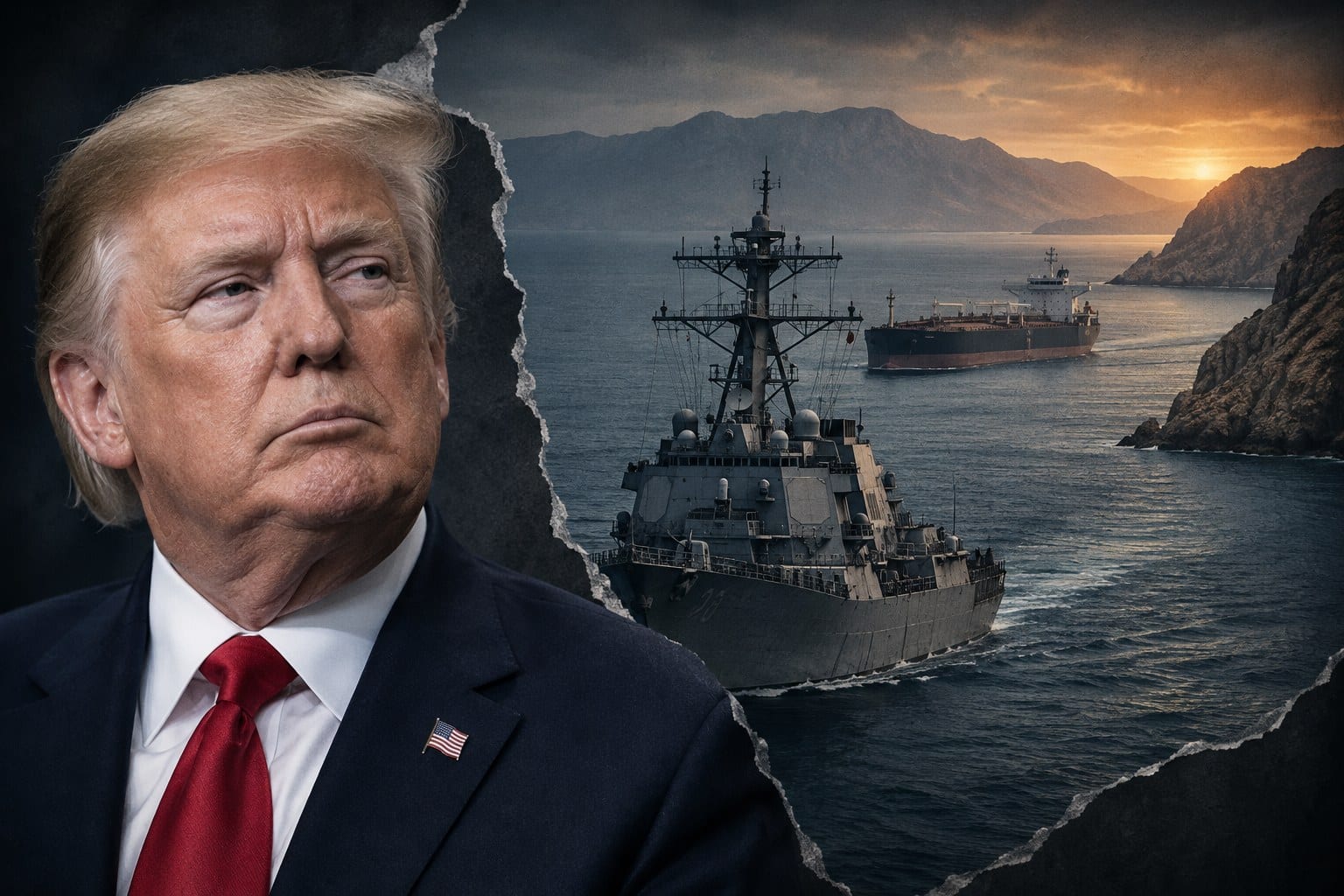
The United States is betting on sanctions and a maritime blockade, Iran on closing Hormuz. Each side says it holds the decisive weapon, and neither is backing down publicly.
In Paris, US Secretary of State Marco Rubio judges that economic action is enough, without major combat operations. In Tehran, Mohsen Rezaei says the strait will remain closed as long as seven conditions are not met. The text notes that each side claims to hold the decisive weapon.
By the ninth month, the issue has become mainly economic. On the US side, sanctions and a naval blockade are supposed to produce what the bombings have not produced. Tehran responds by closing the strait, the only card whose effects appear directly on energy prices. The text speaks of a symmetry of strangulation. The Revolutionary Guards say that three tankers were hit by mines. According to maritime observers, 37 attacks were recorded in November, a monthly peak since the conflict opened.
According to the text, Donald Trump speaks of positive momentum and says new attacks are unnecessary, while Mohsen Rezaei rejects outright any prospect of talks in Qatar. According to him, Washington is exaggerating the idea of talks in order to reduce economic pressure and push crude prices down. Abbas Araghchi, the foreign minister, says the passage could reopen in two days if the conditions are lifted.
Read the full article on geopolitique-profonde.com (in French)