Article summary
Trump, Xi and Putin in Shenzhen: why a nuclear treaty remains unlikely
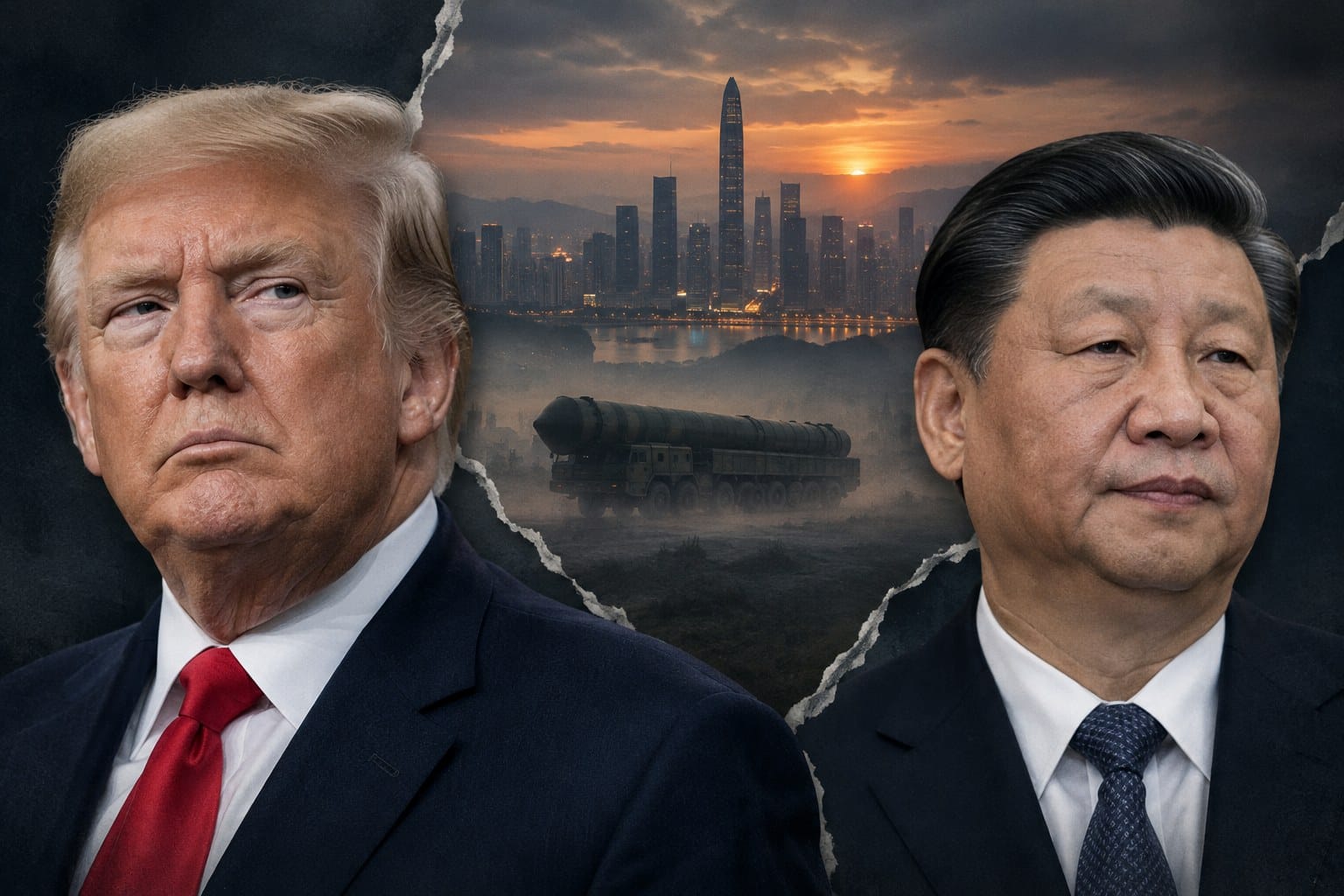
According to the author, the three leaders meeting in Shenzhen defend logics that exclude each other, so the most likely outcome is a set of informal restraints.
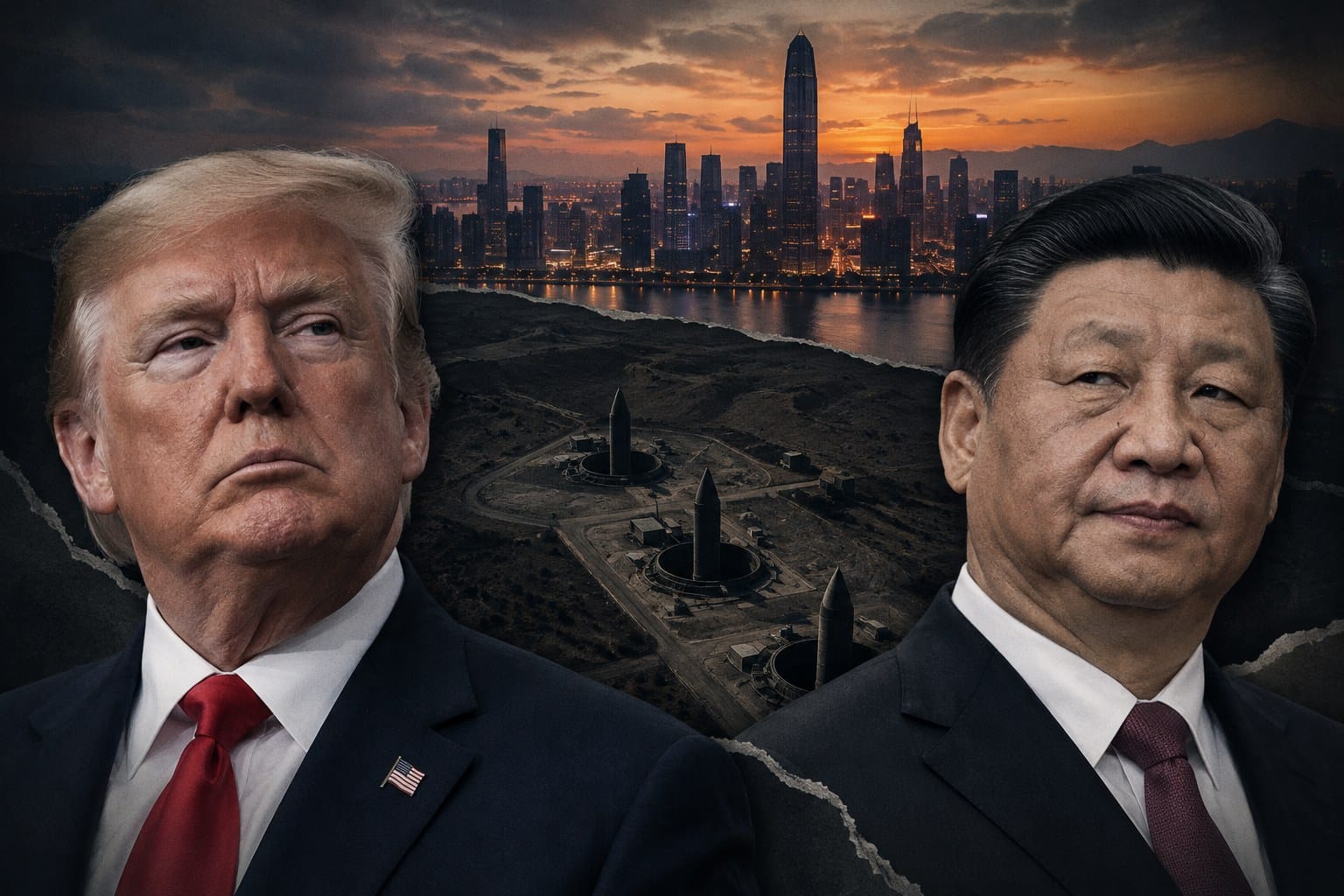
The New START, which set a ceiling of 1,550 strategic warheads, expired in February, and on-site inspections had already stopped. According to the author, Washington says a bilateral deal no longer matches the balance of power, pointing to growth in China's arsenal of about 100 warheads a year, according to SIPRI. The United States therefore wants a framework including Beijing.
Beijing refuses for now to take part, because it has some 620 warheads against the much larger arsenals of the other two powers. According to the academic Zhao Minghao, accepting a ceiling would amount to freezing an inequality and undergoing intrusive control over a fairly modest arsenal. Moscow, for its part, wanted to renew the existing agreement; Washington refused and is calling for an agreement including China.
According to the author, each capital defends its strategic autonomy: Washington its technological superiority, Beijing its room to catch up, Moscow its status as equal to the United States. No arbiter can impose a compromise, and political trust is lacking. The most likely outcome would be informal restraints, such as data exchanges, notification of major exercises and crisis channels, the issue remaining whether Beijing will agree to negotiate when its catch-up is more advanced.
Read the full article on geopolitique-profonde.com (in French)